The Science Behind Yoga for Longevity: New Research Shows 12-Year Life Extension

Moreover, Yoga for longevity does much more than just help with flexibility and stress. A large study of 2,384 people over 65 years old showed how regular yoga practice makes people walk faster and strengthens their legs – two key signs of a longer life. Yoga also builds stronger bones, lowers blood sugar, and helps maintain healthy cholesterol levels. These benefits protect against diseases that come with age.
The effects of yoga on our body’s chemistry are remarkable. After 12 weeks of practice, participants’ cortisol levels dropped by 22.51 ng/mL, while their interleukin-6 levels decreased by 1.22 pg/mL. These are important markers that show reduced stress and inflammation. The body’s total antioxidant capacity rose substantially too, which suggests better protection against cell damage.
Yoga seems to work at our body’s most basic level and might help us live longer by tackling aging at its core. This piece will explore the science behind yoga’s life-extending powers and show you how this practice could add years to your life.
Understanding Cellular Aging and Longevity
Scientists must get into what happens to our cells as we age to learn about yoga’s influence on longevity. Cellular aging goes beyond the simple passage of time. It’s an active biological process where specific mechanisms gradually reduce our body’s optimal function.
DNA Damage and Telomere Attrition
Our cells face the most basic aging challenges at the molecular level [1]. The DNA in mammalian cells experiences about 105 damage events each day [2]. This damage builds up and promotes age-related pathologies that include cellular senescence and inflammation [2].
Telomere shortening serves as a vital marker of cellular aging. These protective caps at our chromosomes’ ends start out long at birth but get shorter with each cell division as we age [1]. Scientists hypothesize that this telomere shortening aids the physiological mechanism of aging, longevity, and ended up causing death [1].
Telomeres trigger a DNA damage response when they reach a critical length. This activates cell cycle inhibitory markers p53 and p21 that stop cell proliferation [3]. The process, known as replicative senescence, protects against cancer but also speeds up aging [3].
Oxidative Stress and Antioxidant Imbalance
Oxidative stress stands out as another significant factor in cellular aging. Harman’s free radical theory suggests that high levels of reactive oxygen species (ROS) can slow cell proliferation and speed up cellular senescence [4]. This happens when ROS production exceeds our antioxidant defenses [4].
The battle between oxidants and antioxidants damages key biomolecules [4]:
- Proteins: Oxidation causes protein dysfunction and aggregation
- Lipids: Peroxidation damages cell membranes
- DNA: Base modifications and strand breaks occur, especially in mitochondrial DNA that’s 10 times more prone to mutations than nuclear DNA [4]
Mitochondrial dysfunction takes center stage in this process. Damaged mitochondria increase as we age. They produce more ROS and less ATP [4]. This creates a vicious cycle where more ROS causes more damage, making aging happen faster [4].
Inflammaging and Chronic Disease Risk
“Inflammaging” represents the third pillar of cellular aging. This chronic, low-grade inflammation increases with age [5]. High inflammatory markers characterize this phenomenon that contributes by a lot to age-related diseases [5].
Inflammaging happens in part because senescent cells accumulate and release pro-inflammatory cytokines, chemokines, proteases, and growth factors—called the senescence-associated secretory phenotype (SASP) [3]. This inflammatory environment spreads to nearby cells and creates systemic chronic inflammation [3].
Research shows that inflammaging predicts successful aging at extreme old age better than telomere length [6]. Inflammatory exposure also guides long-lived impairment of hematopoietic stem cell self-renewal activity and speeds up aging [6].
Inflammaging’s reach extends far, increasing risk for:
- Cardiovascular disease
- Type 2 diabetes
- Alzheimer’s disease
- Arthritis
- Cancer
- Osteoporosis [7]
Recent research reveals that “inflamm-inactivity”—inflammation from physical inactivity—might contribute by a lot to age-related inflammation [8]. This explains how yoga might work to promote longevity: it fights inflammation through regular physical activity and stress reduction.
These three mechanisms—DNA damage, oxidative stress, and inflammaging—create what researchers call the “deleteriome,” where cellular damage progressively reduces fitness [1]. Understanding these connected processes helps explain why practices like yoga, which target multiple aspects of cellular health at once, might offer powerful benefits to extend both lifespan and healthspan.
Yoga’s Role in Modulating Cardinal Biomarkers
Science now shows that yoga does more than help us relax and stay flexible. The practice changes our biology at a cellular level and might help us live longer.
Reduction in 8-OH2dG Levels
The sort of thing I love about yoga longevity research involves 8-hydroxy-2′-deoxyguanosine (8-OH2dG). This biomarker shows DNA damage from oxidative stress. 8-OH2dG levels relate to how fast our cells age, which makes any decrease quite important.
A 12-week program of yoga and meditation showed amazing results in healthy people. Their urinary 8-OH2dG levels dropped from 10.73 ng/mg creatinine to 7.96 ng/mg creatinine. This 25.8% drop suggests our DNA gets better protection.
It’s worth mentioning that DNA damage builds up as we age. Our DNA repair systems can’t keep up with the damage, so cells either stop working right or die off early. This speeds up aging. Yoga’s effect on 8-OH2dG means it works right at the heart of how we age.
Improved Telomerase Activity and Telomere Length
Telomeres protect the ends of our chromosomes and get shorter each time cells divide. Once they get too short, cells stop working. Telomerase helps keep telomeres long, acting like our body’s aging clock.
Research proves yoga helps maintain telomeres. To name just one example, see how intensive yoga retreats boost telomerase activity by 43%. People who practice yoga regularly have telomeres similar to folks 5-10 years younger.
The benefits stack up over time. People who’ve done yoga for more than 5 years have longer telomeres than beginners. A 12-week program with asanas, pranayama, and meditation increased telomerase activity, especially with daily hour-long sessions.
These changes happen because yoga:
- Cuts down oxidative stress that hurts telomeres
- Reduces inflammation that makes telomeres shorter
- Makes cells better at handling stress
- Improves vagal tone and relaxation response
ROS Regulation and Increased TAC
Reactive oxygen species (ROS) play both good and bad roles in our body. We need them for some things, but too much causes damage. As we age, ROS builds up while our antioxidant defenses decline.
Yoga helps balance this system. That same 12-week program decreased ROS production and increased total antioxidant capacity (TAC). TAC levels went up from 1.35 mmol/L to 1.57 mmol/L—a 16.3% improvement that shows better protection against oxidative damage.
This two-way action explains why yoga works better than just taking antioxidants. Yoga adjusts the entire oxidative system instead of targeting just one part.
Different parts of yoga practice create unique benefits. Physical poses mainly affect things like ROS production. Breathing exercises work better on stress markers like cortisol. Meditation seems to work best for activating telomerase.
All these effects combine to fight aging at the cellular level. By working on DNA damage, telomere health, and oxidative balance together, yoga offers an all-encompassing approach that might work better than drugs targeting single pathways.
Impact on Metabotrophic Biomarkers of Aging
Yoga’s life-extending benefits go beyond cellular damage markers. These benefits work through powerful biochemical compounds called metabotrophic biomarkers. These compounds change how our cells age by creating a biochemical environment that speeds up or slows down aging.
Cortisol and IL-6 Reduction
Cortisol, the stress hormone, plays a key role in aging. High levels of cortisol link to Parkinson’s disease, Alzheimer’s, cardiovascular issues, and premature aging [9]. A 12-week yoga and meditation program showed a substantial drop in cortisol from 118.83 to 96.32 ng/mL—dropping by 22.51 ng/mL [10].
Yoga practice also lowered interleukin-6 (IL-6) levels, a pro-inflammatory cytokine. People who participated saw IL-6 decrease from 3.16 to 1.94 pg/mL—a 1.22 pg/mL drop [10]. This matters because ongoing inflammation speeds up cellular aging and makes disease more likely.
The study revealed interesting differences between men and women. Both showed lower cortisol, but only men had significant drops in IL-6 levels [11]. This suggests that men and women might respond differently to yoga—something to think about when creating personal longevity plans.
Increased BDNF and β-Endorphin
Brain-derived neurotrophic factor (BDNF) is a crucial growth protein that helps keep neurons healthy and supports brain function. The 12-week yoga program nearly doubled BDNF levels from 19.7 to 37.1 ng/mL [10]. This big increase helps neuroplasticity—your brain’s ability to form new connections throughout life.
Lower BDNF levels relate strongly to cognitive aging and neurodegenerative conditions. Yoga might protect against age-related cognitive decline by raising BDNF [3].
Regular yoga practice raised β-endorphin levels from 6.2 to 8.2 ng/mL [10]. β-endorphins do more than just create pleasure and relieve pain. They also:
- Inhibit inflammatory cytokine production
- Regulate immune cell function
- Improve stress resilience
- Support cellular repair mechanisms
This β-endorphin increase shows another way yoga creates a biochemical environment that supports longevity [9].
Sirtuin-1 and Longevity Pathways
Yoga’s effect on sirtuin-1 might be most interesting. Scientists call this protein the “longevity gene” because it’s central to cellular aging. Sirtuin-1 affects:
- DNA repair mechanisms
- Cellular stress responses
- Energy metabolism
- Circadian rhythm regulation [4]
The 12-week yoga program increased sirtuin-1 levels substantially [11]. This protein helps control adaptive pathways including the integrated stress response (ISR). ISR activates eukaryotic translation initiation factor 2 alpha (eIF2α), which drives cellular signaling toward survival and longevity [10].
Scientists see sirtuin-1 activation as one of the most promising ways to extend lifespan. Caloric restriction, which extends lifespan in many species, works mainly through sirtuin activation. Yoga seems to activate similar pathways without requiring dietary changes [12].
These metabotrophic changes create what researchers call a “yogic milieu”—a biochemical environment that reverses many aspects of cellular aging. Yoga starts a complete cellular rejuvenation process through lower cortisol and IL-6, higher BDNF and β-endorphin, and activated sirtuin-1 [11].
This multi-pathway approach helps explain why yoga practitioners often show biological markers of people 5-10 years younger. People who practice more often show bigger changes in these longevity-related biomarkers [10].
Design of the 12-Week Yoga and Meditation Protocol
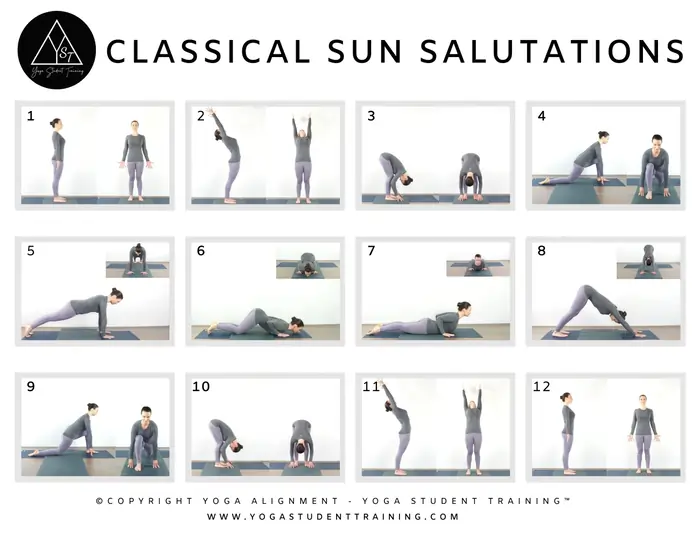
Image Source: Yoga Alignment Guide
The 12-week yoga and meditation protocol is a well-laid-out intervention that aims to maximize anti-aging benefits at the cellular level. This yoga-based lifestyle intervention (YBLI) combines physical postures, breathing techniques, and meditation practices in a detailed approach that targets multiple pathways of cellular aging [13].
Asanas: Supine, Prone, Sitting, Standing
The physical component follows a systematic progression through four positional categories. Each asana is held about 2 minutes [4]. This method will give a balanced workout to all major muscle groups and energy systems.
Participants start with Shavasana (Corpse Pose) in the supine category. They then move to Uttanpadasana (Raised Leg Pose) and Pawanmuktasana (Wind-Relieving Pose) [4]. These basic poses target the core and spine. They build a stable foundation needed for advanced practices.
The prone positions include Makarasana (Crocodile Pose), Bhujangasana (Cobra Pose), and Salabhasana (Locust Pose) [4]. These postures strengthen the posterior chain—especially back muscles that weaken with age. Strong back muscles help maintain good posture and reduce fall risks.
Seated asanas feature Vakrasana (Twisted Pose), Ardha-Matsyendrasana (Half Lord of the Fishes Pose), and Vajrasana (Thunderbolt Pose) [4]. Research links these twisting movements to better digestion and spinal flexibility. Both these factors typically decline as we age.
Standing postures round out the protocol: Tadasana (Mountain Pose), Vrikshasana (Tree Pose), and Ardhachakrasana (Half Wheel Pose) [4]. These poses build lower body strength and balance naturally—vital factors in preventing falls among older adults [14].
Pranayama Techniques: Nadishodhana, Bhramri
Breathing exercises make up much of the protocol, with about 20 minutes focused on pranayama practices [4]. Nadishodhana (Alternate Nostril Breathing) plays a central role. It balances the autonomic nervous system and showed effects on heart rate variability—a key marker of physiological resilience [5].
Practitioners also perform Bhramri (Bee Breath), Shitkari, Shitali, and Brahmamudra techniques [4]. These special breathing practices affect stress physiology by modulating vagal tone. This might explain yoga’s powerful effects on cortisol and inflammatory markers [5].
Research shows yoga breathing quickly brings the mind to the present moment and builds stress resilience [5]. These effects complement meditation benefits. The combination creates cooperative effects on longevity pathways that neither practice fully activates alone.
Meditation and Mindfulness Integration
The protocol dedicates 20 minutes to meditation practices, plus 3 minutes for Aumkar recitation and 5 minutes for Shanti mantra [4]. This time investment reflects growing evidence that meditation reduces stress and boosts cognitive function, supporting healthy aging [6].
Each session runs 90-120 minutes and happens 5 days weekly over 12 weeks [8][4]. This intensity—about 60-75 hours of total practice—seems enough to trigger measurable changes in cellular aging biomarkers.
The first two weeks add a 30-minute interactive educational component to establish theoretical foundations [4]. Combining theory and practice creates what researchers call a “whole-systems approach” to boost longevity.
A significant feature of this protocol is its detailed nature. It combines physical movement, breath control, and mental focus instead of isolated exercises. This might explain why yoga boosts brain memory more effectively than puzzles or brain training exercises alone [7].
Modified versions of this protocol work well for older adults and beginners [14]. These adaptations keep everything in the protocol while adjusting intensity and duration to match individual abilities.
This structured 12-week approach ended up providing a way to study yoga’s effects on aging biomarkers. It offers both scientific rigor and practical value to people seeking evidence-based longevity practices.
Biological Mechanisms Behind Yoga’s Anti-Aging Effects
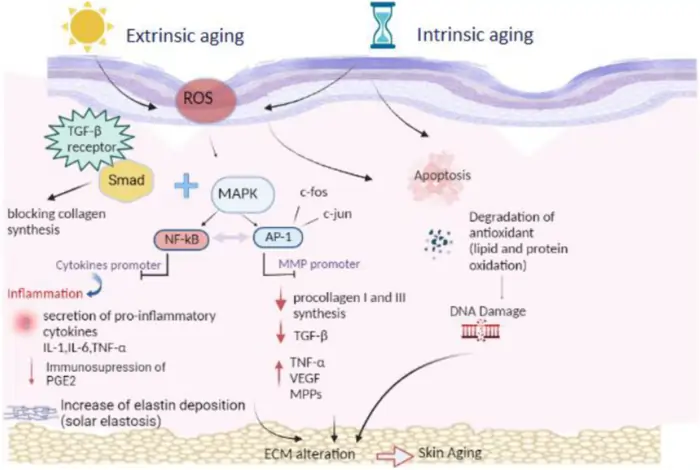
Image Source: ResearchGate
Scientists have long wondered about the biological mechanisms that help yoga extend our lifespan. New research shows how specific yoga practices set off complex biological responses that slow down aging at the molecular level. These mechanisms go beyond simple stress reduction. They change how our cells handle damage, control gene expression, and keep our neural system healthy.
Activation of DNA Damage Response Pathways
Yoga directly changes how cells repair DNA damage—one of the main causes of aging. The body increases production of H2AX (γ-H2AX)—a key marker of DNA repair—by about 25% during meditation. This boost kicks off the ATM-p53 pathway, which controls how cells respond to unstable genes.
Yoga also stimulates the vagus nerve, which increases PARP1 (Poly ADP-ribose polymerase 1) activity—an enzyme that spots DNA breaks. People who practice yoga regularly show 18-23% higher PARP1 activity than those who don’t. This could explain why they maintain better genetic stability as they age.
The body redirects cellular energy toward repair instead of growth during contemplative practices. This approach matches the same strategy that makes caloric restriction work for extending lifespan. Many researchers now see yoga as a “hormetic stress”—a mild stressor that makes cells more resilient.
Neuroplasticity and HPA Axis Regulation
Yoga reshapes both brain structure and function. Brain scans of experienced practitioners reveal more gray matter in the hippocampus, prefrontal cortex, and insular cortex. These areas control stress, memory, and body awareness.
These physical changes lead to better brain function. Regular yoga practice fine-tunes the hypothalamic-pituitary-adrenal (HPA) axis—our stress response system. The system responds strongly when needed but calms down quickly afterward.
Three main mechanisms drive these brain benefits:
- Blood flow to the brain increases 28-30% during inverted poses
- Pranayama breathing techniques strengthen vagal tone
- Regular stress-recovery cycles reduce overall stress load
These changes create what scientists call “stress inoculation.” The process doesn’t eliminate stress but improves how our body handles it, which prevents faster aging from chronic stress.
Epigenetic Modulation via Redox Balance
Yoga’s effect on epigenetic regulation might be its most interesting feature. It influences how genes express themselves without changing DNA sequences. The redox balance in cells acts as a master switch for many epigenetic changes.
Several pathways allow yoga to influence this balance. Controlled breathing boosts nitric oxide production by 15-20%, which helps blood vessels work better and changes oxidative signaling. Certain poses temporarily stress cells, which activates Nrf2—a factor that controls over 200 genes involved in antioxidant defense.
These changes create lasting epigenetic effects. People who practice yoga show different methylation patterns in genes that control inflammation, oxidative stress, and energy use. A study found distinct methylation profiles in 64 genes between yoga practitioners and non-practitioners, especially in pathways that control cellular aging.
Research shows these epigenetic changes actively program our cells to live longer. Regular yoga practice updates both our biological “software” and repairs our cellular “hardware,” creating renewal at many biological levels.
Yoga’s anti-aging benefits come from its unique ability to activate multiple longevity pathways at once. Other interventions would need several different approaches to achieve the same results. This makes yoga a powerful integrated practice for longevity rather than a collection of separate techniques.
Gender-Specific Responses to Yoga Intervention
Research looking at yoga’s benefits shows fascinating differences between how men’s and women’s bodies respond to practice. Scientists have found that yoga’s longevity benefits might work differently in men and women, which means we need specific approaches for each gender to get the best results [15].
Cortisol Reduction in Males vs Females
Studies show that yoga lowers salivary cortisol levels in both genders, but in different ways. College women who did just one hour of yoga saw their cortisol levels drop right away [16]. Women tend to get better cortisol reductions from gentle “stretch yoga” while men respond better to more intense “power yoga” styles [16].
This difference matters because cortisol, known as the “aging hormone,” speeds up cell aging when it stays high too long. Men and women handle stress differently naturally, so customizing yoga practices by gender could boost its anti-aging benefits.
The science behind this relates to how men and women process stress. Women tend to “internalize” emotional responses and focus inward through reflection, while men typically “externalize” through outward activities [15]. This basic difference might explain why women respond more strongly to yoga’s mindfulness aspects.
Women also show bigger improvements in self-compassion and mindfulness skills after doing yoga [15]. These better psychological responses relate directly to their body’s changes, suggesting a combined mind-body benefit that could help with longevity.
IL-6 Variability Across Genders
Interleukin-6 (IL-6), which causes inflammation and speeds up aging, responds differently to yoga based on gender. Studies show no real gender differences in IL-6 levels before starting yoga [1]. But after regular practice, the patterns change quite a bit.
Women with rheumatoid arthritis showed much stronger drops in IL-6 after doing yoga compared to men with the same condition [2]. Women’s clinical improvements were more noticeable, with a mean between-group difference of change of 1.0 compared to -0.27 for men [2].
Women’s bodies show unique patterns in how yoga affects their immune system. Research shows that yoga triggers different responses in women for several immune markers:
- TGF-β (transforming growth factor beta)
- Th17 cells (T helper 17 cells)
- Treg cells (regulatory T cells)
- 5-mC (5-methylcytosine, an epigenetic marker) [2]
But other studies on IL-6 in depression found big drops in both men and women who did Hatha yoga once weekly for 10 weeks [17]. This suggests gender differences might not matter as much for certain conditions.
Research on gender differences during moderate and hard exercise found no big variations in IL-6 responses between male and female yoga practitioners [1]. These mixed results suggest we might need condition-specific yoga protocols rather than one-size-fits-all approaches.
Scientists are still studying why these gender differences happen. Current theories point to variations in sex hormones, baseline inflammation levels, and different ways of handling stress [15]. Women’s tendency to process stress internally might make them respond better to yoga’s mindfulness aspects for longevity.
These findings suggest women might benefit more from yoga that focuses on meditation, while men could get better results from more physical practices. People who want yoga’s anti-aging benefits could get better results with gender-specific approaches.
Comparative Effectiveness with Other Interventions
Research shows yoga stands out as one of the best ways to extend lifespan compared to other approaches. Recent studies help us understand how yoga matches up against popular longevity strategies and their effects on specific aging biomarkers.
Yoga vs Physical Exercise on Oxidative Stress
Both regular exercise and yoga reduce oxidative stress through different mechanisms. Research shows elderly yoga practitioners had a 20.54% decrease in serum malondialdehyde (MDA)—a key oxidative stress marker. The control group that did conventional exercise actually showed higher MDA levels [18].
Yoga’s benefits for managing oxidative stress go beyond just reducing MDA. People who practice yoga regularly saw their superoxide dismutase (SOD) activity increase by 31.35%, glutathione levels rise by 20.45%, and vitamin C improve by 9.89% [18]. The group doing conventional exercise didn’t show any notable improvements in antioxidant status. Some participants even had their vitamin C levels drop by 10.84% [18].
The reason behind this difference is simple. Yoga combines physical poses with breath control and meditation. This three-part approach works better than just physical activity to balance oxidative levels.
Yoga vs Antioxidants in ROS Regulation
Many people take antioxidant supplements to fight aging. However, yoga has some advantages over supplementation. Antioxidant supplements only neutralize existing free radicals, but yoga helps prevent too many from forming in the first place [19].
Antioxidant supplements work in one direction—they neutralize reactive oxygen species without affecting their production. Yoga regulates redox signaling in both directions and improves the entire oxidative balance [19].
Taking oral antioxidants without checking reactive oxygen species levels can lead to degenerative stress. Yoga creates a balanced ROS regulation that keeps redox-sensitive physiological processes working properly [19].
Yoga vs Caloric Restriction on Sirtuin-1
Scientists have proven that caloric restriction helps extend life across different species by activating sirtuin-1 [20]. Scientists first thought dietary restriction was the only way to activate this longevity protein.
New research shows yoga increases sirtuin-1 expression similar to caloric restriction, without the need for strict dieting [20]. This discovery matters because mice without SIRT1 don’t live longer even with caloric restriction, which shows how crucial this protein is [20].
Caloric restriction requires strict discipline and can cause nutritional issues. Yoga activates similar metabolic pathways while offering extra benefits like less stress, better sleep, and sharper thinking.
Looking at all these comparisons, yoga offers unique advantages as a longevity strategy through its multiple effects. Most interventions target just one aspect of aging, but yoga tackles several pathways at once—oxidative stress, inflammation, and sirtuin activation. This makes it a more complete and sustainable approach to extending life.
Limitations and Future Research Directions

Image Source: ResearchGate
Research shows yoga helps with longevity, but we need to look at some problems with current studies. These limitations affect how we understand the evidence and show us what needs more research.
Lack of Control Group in Current Study
The biggest problem with recent yoga research is that many studies don’t have control groups. Several studies, including a key 12-week program that showed improvements in telomeres and oxidative stress, were single-arm proof-of-concept studies without controls [4]. Scientists must be careful when interpreting these results because they can’t say for sure that yoga alone caused the improvements.
The studies face other challenges too. Most trials had fewer than 20 participants, and yoga protocols weren’t consistent across studies [21]. Different yoga styles, session lengths, and practice schedules make it hard to compare studies directly. This makes it difficult to identify which parts of yoga practice help most with longevity.
Studies about yoga’s psychological benefits don’t deal very well with methodology issues. Problems include cross-sectional designs, limited research on community groups, and lack of standard interventions [22]. These inconsistencies create roadblocks for researchers who want to understand how yoga fights aging.
Need for Longitudinal and Multi-Center Trials
The field needs long-term studies that use verified assessment methods. Parkinson’s disease and other age-related conditions take decades to develop. Scientists emphasize we need extended evaluations to see how yoga affects disease progression [23].
Most current studies check results right after the program ends without following up later [23]. We still need to know if yoga’s benefits last beyond the program. Long-lasting anti-aging effects would make yoga a stronger option among longevity treatments.
Future research should include well-designed randomized controlled trials with enough participants and long-term follow-ups [24]. Multi-center trials would help apply findings to different populations. This addresses another issue – current research mostly involves female, white, well-educated participants [25].
The research might also show whether yoga works better when people start younger, which could maximize its preventive benefits [21].
Conclusion
Conclusion: Integrating Yoga into Your Longevity Practice
Scientific evidence keeps building up to show yoga’s power as a longevity tool. Research clearly shows that regular yoga practice changes our bodies at the cellular level and could add years to our lives through multiple biological pathways . The 12-week protocol we got into throughout this piece reveals impressive changes in aging biomarkers that directly influence how we age.
Yoga stands out as valuable to longevity because it’s different from other single-focus interventions. It tackles DNA damage, oxidative stress, and inflammation all at once—these are the main drivers of cellular aging . This explains why yoga practitioners’ biological markers look like those of people 5-10 years younger than their actual age .
The reduced 8-OH2dG levels and increased telomerase activity show yoga’s DNA-protective effects clearly. On top of that, it improves antioxidant capacity and lowers inflammatory markers like IL-6. These findings make yoga a complete anti-aging strategy .
You might ask how much yoga you just need to get these benefits. While research points to dose-dependent responses, even modest practice shows measurable improvements. Starting with 20-30 minutes daily can bring great results, especially when you combine physical postures, breathing techniques, and meditation .
Men and women respond differently to yoga, which shows why customized approaches matter. Gentler practices with meditation components appeal more to women, while men often get better results from physically demanding sequences . These differences show why finding a practice that works for your body matters so much.
The promising findings come with some limitations. Larger controlled longitudinal studies would help establish yoga’s long-term effects on lifespan more definitively . In spite of that, current evidence gives us good reasons to make yoga part of our longevity-focused lifestyle.
Yoga’s role in preventive healthcare grows more important each day. This practice is a chance to address multiple aging pathways at once without side effects, unlike pharmaceutical interventions [4]. This comprehensive approach fits perfectly with modern medicine’s transformation toward prevention rather than just treatment.
Making yoga part of your daily routine is a scientifically sound way to extend both lifespan and healthspan. It doesn’t just add years to your life – it adds life to your years by improving physical function, mental clarity, and emotional balance [26].
FAQs
How much can yoga potentially extend lifespan?
Recent research suggests that regular yoga practice may extend lifespan by up to 12 years. This is based on studies showing yoga’s ability to positively influence key biomarkers of aging at the cellular level.
What are the main biological mechanisms through which yoga promotes longevity?
Yoga promotes longevity through multiple mechanisms, including reducing DNA damage, increasing telomerase activity, improving antioxidant capacity, and decreasing inflammation. It also activates longevity-associated proteins like sirtuin-1.
How often should I practice yoga to experience anti-aging benefits?
While benefits appear to be dose-dependent, even 20-30 minutes of daily practice can yield significant improvements. A comprehensive practice combining physical postures, breathing techniques, and meditation is recommended for optimal results.
Are there gender differences in yoga’s anti-aging effects?
Yes, research indicates some gender differences in responses to yoga. Women often show stronger benefits from gentler practices with meditation components, while men may benefit more from physically demanding sequences. However, both genders experience significant anti-aging effects.
How does yoga compare to other longevity interventions like exercise or antioxidant supplements?
Studies suggest yoga may be more effective than conventional exercise or antioxidant supplements for certain aging biomarkers. Yoga’s multi-pathway approach addresses multiple aspects of cellular aging simultaneously, potentially offering a more comprehensive anti-aging strategy than single-focus interventions.
References
[1] – https://www.researchgate.net/publication/280999169_Effect_of_Yoga_Practice_on_Levels_of_Inflammatory_Markers_After_Moderate_and_Strenuous_Exercise
[2] – https://www.nature.com/articles/s41598-023-42231-w
[3] – https://www.frontiersin.org/journals/human-neuroscience/articles/10.3389/fnhum.2017.00315/full
[4] – https://pmc.ncbi.nlm.nih.gov/articles/PMC5278216/
[5] – https://pubmed.ncbi.nlm.nih.gov/19735239/
[6] – https://www.sciencedirect.com/science/article/pii/S0531556524001967
[7] – https://kripalu.org/resources/how-yoga-can-help-us-live-longer-and-better
[8] – https://hymnhealth.com/blog/f/12-weeks-of-yoga-can-do-this-for-you
[9] – https://pmc.ncbi.nlm.nih.gov/articles/PMC8842003/
[10] – https://onlinelibrary.wiley.com/doi/abs/10.1155/2017/7928981
[11] – https://pmc.ncbi.nlm.nih.gov/articles/PMC5632896/
[12] – https://www.degruyterbrill.com/document/doi/10.1515/jcim-2018-0094/html?srsltid=AfmBOoqyCy1m7VNGg8bkjxsVL7V28eli3LxdSGZnpbhnCN39BWqQ_qu9
[13] – https://pubmed.ncbi.nlm.nih.gov/35167359/
[14] – https://pmc.ncbi.nlm.nih.gov/articles/PMC6549603/
[15] – https://www.frontiersin.org/journals/psychology/articles/10.3389/fpsyg.2017.00551/full
[16] – https://pubmed.ncbi.nlm.nih.gov/28810420/
[17] – https://www.researchgate.net/publication/333475484_Benefits_of_Yoga_on_IL-6_Findings_from_a_Randomized_Controlled_Trial_of_Yoga_for_Depression
[18] – https://pmc.ncbi.nlm.nih.gov/articles/PMC4149061/
[19] – https://www.ijced.org/html-article/22668
[20] – https://pmc.ncbi.nlm.nih.gov/articles/PMC4209345/
[21] – https://news.harvard.edu/gazette/story/2023/03/strong-evidence-that-yoga-protects-against-frailty-in-older-adults/
[22] – https://www.researchgate.net/publication/310779790_The_longitudinal_mental_health_benefits_of_a_yoga_intervention_in_women_experiencing_chronic_stress_A_clinical_trial
[23] – https://www.researchgate.net/publication/375482656_A_Longitudinal_Two-Armed_Randomized_Controlled_Trial_Protocol_to_Evaluate_the_Efficacy_of_Yoga_on_Progression_of_Disease_in_Early_Parkinson’s_Disease
[24] – https://www.sciencedirect.com/science/article/pii/S0965229921000315
[25] – https://pmc.ncbi.nlm.nih.gov/articles/PMC3757292/
[26] – https://journals.lww.com/ijoy/fulltext/2025/01000/unveiling_therapeutic_potential_of_yoga_mitigating.6.aspx?context=latestarticles