How to Repair Damaged Skin Barrier: An Expert-Backed Guide That Actually Works
Your skin barrier (also called the stratum corneum) works as your body’s primary defense system. This outer protective layer blocks environmental threats like pollutants, bacteria, and UV rays while keeping essential moisture from escaping. When it’s working properly, it keeps the bad stuff out and the good stuff in.
When your barrier becomes compromised, though, the signs are hard to miss. Redness, dryness, flaking, and sudden sensitivity to products you’ve always used are clear indicators something’s wrong. This damage can also trigger inflammation, lead to dullness, and even accelerate aging as inflammation becomes chronic.
The most common culprits behind barrier damage? Environmental factors, too much exfoliation, and harsh skincare products. Many people unknowingly harm their skin by layering too many active ingredients or using strong acids that strip away natural oils.
Throughout this guide, I’ll share effective strategies to restore your skin’s protective shield, the most beneficial barrier-repairing ingredients, and a straightforward skincare routine that delivers real results. Let’s get your skin barrier back on track!
What is the skin barrier and why is it important?
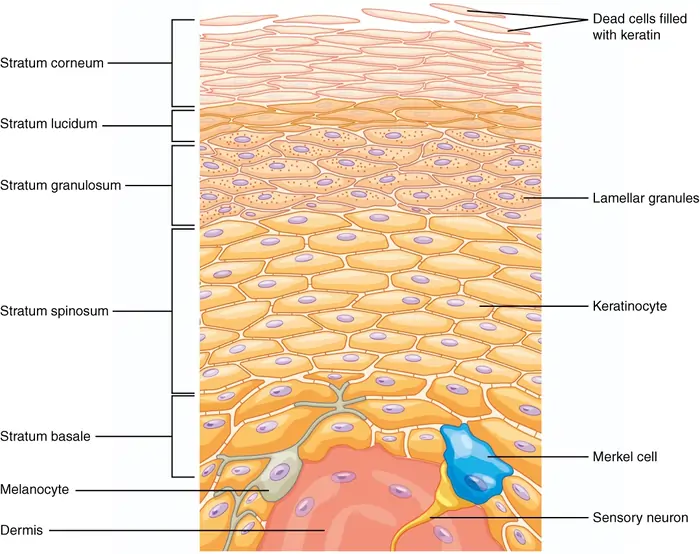
Image Source: UH Pressbooks
Your skin barrier serves as your body’s sophisticated frontline defense system, made up primarily of the stratum corneum—the outermost layer of your epidermis. Think of it as your personal protective shield that continuously guards against external threats while keeping your skin balanced and healthy [19].
Scientists describe this remarkable barrier using a “brick and mortar” model. The “bricks” are flat, dead skin cells called corneocytes, while the “mortar” consists of lipids that fill the spaces between cells. These lipids include ceramides (40-50%), cholesterol (25%), and free fatty acids (10-15%) [19]. This structure isn’t random—it’s specifically designed to maintain optimal protection.
Ceramides deserve special attention since they make up nearly half of the lipids in your skin barrier. These specialized molecules create a water-resistant layer that prevents moisture loss and stops irritants from penetrating your skin [19]. When ceramide levels drop or their composition changes, your barrier weakens, leading to increased permeability and dehydration [19].
The skin barrier also contains filaggrin, an important structural protein that binds keratin filaments inside skin cells. Filaggrin eventually breaks down into natural moisturizing factors (NMF), which help maintain your skin’s water content and slightly acidic pH [19]. These components work together to create your skin’s protective shield.
Your skin naturally maintains what dermatologists call an “acid mantle”—a slightly acidic surface with a pH between 4.5 and 5.5 [19]. This acidity performs several crucial functions: it regulates enzyme activity, supports beneficial bacteria, limits harmful microbe growth, and preserves barrier integrity [19]. When skin becomes too alkaline, inflammation can occur, disrupting your skin’s delicate balance.
The skin barrier protects you in several key ways:
- It prevents excessive water loss from your body
- It blocks environmental pollutants, allergens, and irritants
- It helps regulate immune responses and prevents infection
- It provides some protection against UV damage through melanin production
A healthy skin barrier is fundamental for overall skin health. Research shows that barrier dysfunction is closely linked to many skin conditions, particularly atopic dermatitis, psoriasis, and rosacea [19]. Even acne can worsen when barrier function is compromised [19].
While your skin barrier naturally regenerates, this process slows with age. Studies indicate that older individuals recover from barrier damage more slowly than younger people [19]. This explains why mature skin often needs more intensive moisturizing and gentler care.
Your skin barrier also interacts with your skin microbiome—the collection of beneficial microorganisms living on your skin. These microbes help maintain proper pH and protect against harmful pathogens [19]. When your barrier is disrupted, this microbial balance can shift, potentially causing inflammation and infection.
Understanding the importance of your skin barrier helps explain why dermatologists emphasize barrier-supporting skincare. Products with ceramides, fatty acids, and cholesterol can help repair damaged barriers by replacing missing components [19]. Similarly, using gentle, pH-balanced cleansers supports healthy barrier function.
Generally, skin barrier damage shows up as increased sensitivity, redness, dryness, flaking, and stinging when you apply products [11]. These symptoms occur because the compromised barrier can’t effectively retain moisture or block irritants.
Healing a damaged skin barrier requires addressing both its physical structure and chemical environment. This means providing the building blocks needed for repair while creating conditions that support your skin’s natural healing processes. With proper care, your skin barrier can recover its protective abilities, restoring comfort and resilience to your skin.
Common Signs of a Damaged Skin Barrier
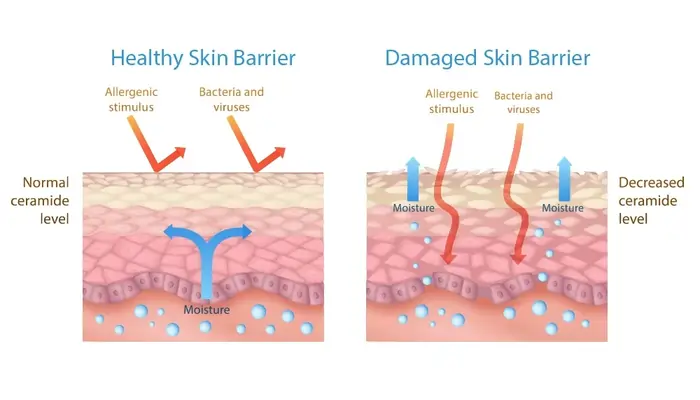
Image Source: Twelve Beauty
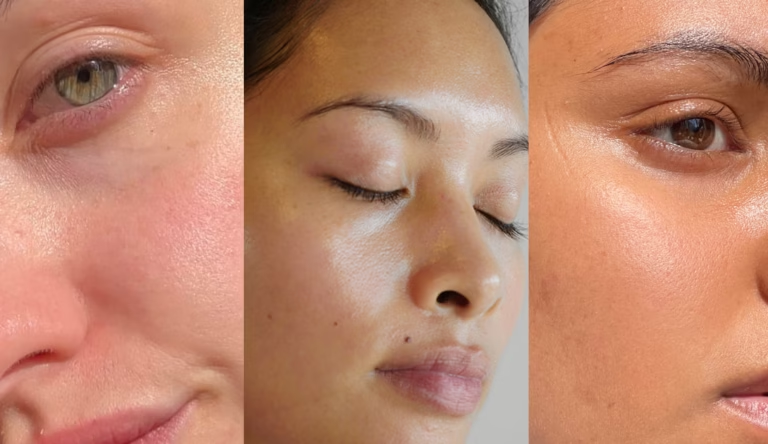
Spotting the signs of a compromised skin barrier is crucial for starting effective repair. Your skin sends clear distress signals when its protective shield weakens, though many people mistake these symptoms for other skin conditions. Let me walk you through the key indicators that your skin barrier needs attention.
Redness and Irritation
When your skin barrier weakens, irritants can penetrate deeper layers, triggering your immune system to rush blood to the area. This defensive response causes that characteristic redness and inflammation you see in the mirror.
This symptom is particularly intense for rosacea patients, with studies showing up to 100% of them report having very sensitive skin [20]. The redness typically shows up where oil glands are concentrated—mainly on the face—and often comes with a warm or burning sensation.
In some cases, inflamed skin develops a butterfly-shaped rash across the cheeks and nose that might be mistaken for lupus rather than barrier dysfunction [21]. Getting the right diagnosis is essential for effective treatment.
Dryness and Flakiness
A healthy barrier effectively locks moisture within your skin. When compromised, it can’t maintain hydration, leading to visibly dry, scaly patches. This happens because the lipids that normally “cement” skin cells together—ceramides, fatty acids, and cholesterol—become depleted.
You might notice your skin feels tight, especially after washing. White flakes or a rough, sandpaper-like texture are common when you run your fingers across affected areas. In severe cases, the skin can even crack and bleed, particularly on hands and feet [21].
** Pro tip:** This symptom often worsens during winter when low humidity and indoor heating further deplete the skin’s moisture. Mature skin is also more prone to dryness as natural oil production decreases with age.
Increased Sensitivity
Perhaps the most frustrating sign of barrier damage is sudden sensitivity to products that previously caused no issues. This hypersensitivity happens because your compromised barrier allows irritants to penetrate deeper, triggering nerve responses and inflammation.
About 50% of women and 40% of men report having sensitive skin [21], which shows up as stinging, burning, or itching when applying products. Your skin might suddenly react to fragrances, preservatives, or even water temperatures that never bothered you before.
The sensitivity threshold varies from person to person but typically worsens as barrier damage progresses. Research has linked this increased sensitivity to decreased heat pain thresholds and heightened pain responses in affected areas [22].
Breakouts and Inflammation
Acne isn’t just about excess oil production, contrary to popular belief. A damaged barrier can trigger or worsen breakouts through several mechanisms. When your barrier functions poorly, normally harmless bacteria can penetrate deeper into your skin, causing inflammation and infection.
Research shows that inflammatory events occur at all stages of acne development, even in early stages before visible lesions appear [8]. Even microcomedones—the earliest form of acne lesions—show signs of inflammation before any other changes occur.
Barrier disruption also alters your skin’s pH, creating an environment where acne-causing bacteria thrive. This explains why harsh, stripping products that damage your barrier often lead to more breakouts rather than fewer, creating a frustrating cycle of damage and inflammation.
Clinical studies support this connection between barrier health and breakouts. Anti-inflammatory agents have effectively reduced both inflammatory and non-inflammatory acne lesions [8], confirming that addressing barrier function can improve acne conditions.
Recognizing these four key signs helps you identify barrier damage early and take appropriate steps toward repair. Your skin’s protective layer can absolutely be restored with proper care, but first, you need to recognize when it’s signaling for help.
What causes skin barrier damage?
“”Avoid over-exfoliating; it can harm your skin’s natural barrier.””
— Dr. Leslie Baumann, Board-certified dermatologist, author of ‘Cosmetic Dermatology: Principles and Practice’
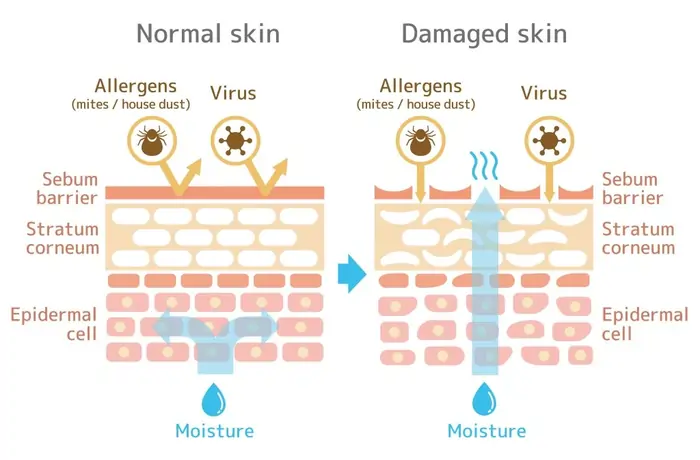
Image Source: Midwest Bioprocessing Center
“”Avoid over-exfoliating; it can harm your skin’s natural barrier.””
— Dr. Leslie Baumann, Board-certified dermatologist, author of ‘Cosmetic Dermatology: Principles and Practice’
Understanding what damages your skin barrier is crucial for effective repair. Your skin’s protective shield can be compromised by multiple factors, often working together to weaken your defenses.
Over-exfoliation and harsh products
The irony of skincare is that pursuing that perfect glow can actually damage your barrier. When you use physical scrubs, strong chemical exfoliants, or enzyme peels too frequently, you’re not just removing dead cells—you’re stripping away essential protective lipids [9].
Research shows harsh cleansers with sulfates can increase water loss through the skin by up to 55% while decreasing ceramide levels by a whopping 70% [10]. That’s a recipe for barrier damage.
Active ingredients like retinoids, benzoyl peroxide, and high-concentration vitamin C products can be beneficial in moderation but overwhelming when used too often or layered together. One study found that 60% of people who over-exfoliated experienced severe irritation and increased sensitivity [10].
Even something as simple as water temperature matters. Hot water melts away your skin’s protective oils—think of it like “butter on a knife under hot water” [11]. This disrupts the natural lipid balance your barrier needs to function properly.
Environmental stressors
Your skin faces a daily battle against environmental factors. UV radiation is the primary external aging factor, with different wavelengths penetrating various skin layers [12]. UVA rays reach deeper dermal layers while UVB primarily affects the epidermis, both generating harmful free radicals [7].
Urban pollution adds to this damage. Particulate matter (PM) decreases barrier function by affecting genes responsible for skin barrier proteins [4]. Exposure to ozone depletes vitamin E and other antioxidants in your outer skin layers, increasing harmful lipid oxidation [13].
Climate conditions also play a role in barrier health. Cold temperatures paired with low humidity significantly increase moisture loss through the skin [12]. This explains why certain skin conditions often worsen during winter months.
Underlying skin conditions
Genetics heavily influence how your barrier functions. Mutations in the filaggrin gene—found in up to 30% of eczema patients—severely impact barrier integrity [11]. These mutations lead to decreased natural moisturizing factors and higher skin pH, creating conditions where barrier-disrupting enzymes thrive [14].
Inflammatory skin disorders like atopic dermatitis, psoriasis, and rosacea inherently involve barrier dysfunction. In these conditions, inflammatory molecules disrupt lipid synthesis and organization [15]. For example, certain cytokines common in atopic dermatitis reduce ceramide production and filaggrin expression [15].
Once barrier impairment begins, a vicious cycle often follows—barrier dysfunction leads to inflammation, which then causes further barrier deterioration [16].
Lifestyle and diet factors
Sleep quality significantly impacts skin health. Poor sleep disrupts cellular growth, renovation, and barrier function [12]. Studies have linked disrupted sleep with 30% higher water loss through the skin compared to well-rested individuals [16].
What you eat affects your barrier too. High sugar consumption promotes glycation, which damages skin proteins and accelerates aging [10]. On the flip side, omega-3 fatty acids can reduce water loss through the skin by 23% [16].
Hydration status directly influences barrier function. Not drinking enough water correlates with compromised barrier integrity and increased inflammation [12]. A diet rich in antioxidants—particularly carotenoids from fruits and vegetables—protects against oxidative damage that would otherwise harm your barrier [12].
** Pro tip:** Your skin barrier faces threats from multiple directions—external aggressors, internal conditions, and lifestyle choices. Recognizing these factors is your first step toward developing an effective repair strategy.
How to Start Repairing Your Skin Barrier
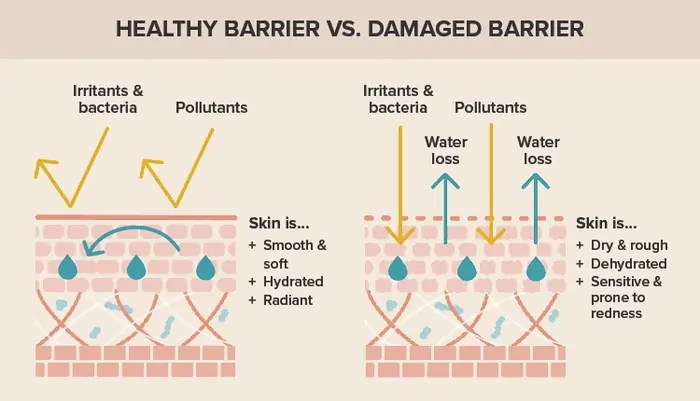
Image Source: Paula’s Choice EU
Starting the repair process for a damaged skin barrier means going back to basics. Once you’ve spotted the signs of damage and identified potential causes, it’s time for action with a simplified, gentle approach that gives your skin room to heal naturally.
Simplify Your Skincare Routine
When barrier damage occurs, your first step should be streamlining your regimen. “I recommend stripping your skincare back, rather than layering on more,” explains Dr. Hextall [3]. This means temporarily adopting a minimalist approach—just cleanser, moisturizer, and sunscreen during the healing phase.
This simple three-step routine provides everything your skin needs to recover without overwhelming it with potentially irritating ingredients. Clinical findings show that over-complicated routines often make barrier damage worse rather than better [3].
Studies reveal that patients with compromised barriers who switched to a simple ceramide-containing cleanser and moisturizer showed major improvement in just three weeks, with barrier function continuing to enhance for months afterward [17].
The goal isn’t perfection but creating a stable environment where your skin can rebuild its defenses. This temporary simplification allows your overtaxed skin to focus on repair rather than constantly responding to new products.
** Pro tip:** Apply your moisturizer to slightly damp skin after cleansing to lock in maximum hydration. This simple technique dramatically boosts the effectiveness of your barrier repair efforts [3].
Stop Using Active Ingredients Temporarily
Active ingredients like retinoids, glycolic acid, and salicylic acid are great for addressing specific skin concerns—but they can further damage an already compromised barrier. Dr. Hirsch advises removing products with active ingredients that might irritate your skin during healing [18].
During this recovery period, which typically spans 2-4 weeks for mild damage and up to eight weeks for more severe cases [3], pausing these ingredients gives your skin the chance to restore its natural lipid layer and repair damaged cells.
Barrier repair begins immediately but proceeds in stages. After barrier disruption, your skin releases stored precursor lipids that provide about 20% barrier recovery within hours. However, complete repair takes more time as your skin increases production of ceramides and other essential barrier components [14].
When your skin has healed, reintroduce active ingredients gradually—one at a time with several weeks between additions. This methodical approach helps prevent renewed barrier damage while still allowing you to address specific skin concerns [1].
Avoid Hot Water and Harsh Cleansers
Your cleansing routine might be the main culprit behind barrier damage. Research shows that harsh surfactants in cleansers can significantly damage skin proteins and lipids, leading to tightness, dryness, and irritation [17].
Hot water compounds this damage by melting away the natural lipids that form your skin barrier—much like “butter on a knife under hot water” [1]. I always recommend lukewarm water instead, which cleanses effectively without stripping essential oils.
Studies confirm that high pH cleansers (around pH 10) increase stratum corneum swelling and alter lipid rigidity, potentially damaging the skin barrier. Using cleansers with neutral or slightly acidic pH, closer to your skin’s natural 4.5-5.5 pH range, minimizes barrier disruption [17].
Choose cleansers with ingredients like glycerin, hyaluronic acid, or ceramides instead of those containing sulfates, alcohol, or strong acids. Dr. Lupo suggests washing with tepid to cool water and avoiding all scrubs during the healing period [18].
How to Repair a Damaged Skin Barrier: A Guide That Actually Works
Did you know that repairing a damaged skin barrier can take anywhere from a couple of weeks to a full 6 months? As a skincare professional, I’ve watched countless clients struggle with irritated, sensitive skin that stems from barrier damage.
Your skin barrier (also called the stratum corneum) works as your body’s primary defense system. This outer protective layer blocks environmental threats like pollutants, bacteria, and UV rays while keeping essential moisture from escaping. When it’s working properly, it keeps the bad stuff out and the good stuff in.
When your barrier becomes compromised, though, the signs are hard to miss. Redness, dryness, flaking, and sudden sensitivity to products you’ve always used are clear indicators something’s wrong. This damage can also trigger inflammation, lead to dullness, and even accelerate aging as inflammation becomes chronic.
The most common culprits behind barrier damage? Environmental factors, too much exfoliation, and harsh skincare products. Many people unknowingly harm their skin by layering too many active ingredients or using strong acids that strip away natural oils.
Throughout this guide, I’ll share effective strategies to restore your skin’s protective shield, the most beneficial barrier-repairing ingredients, and a straightforward skincare routine that delivers real results. Let’s get your skin barrier back on track!
Best Ingredients for Skin Barrier Repair
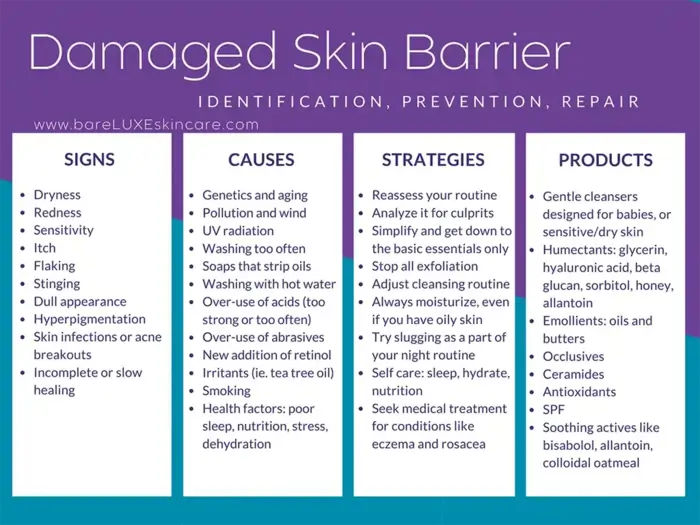
Image Source: bareLUXE Skincare
Choosing the right ingredients can make all the difference when repairing a damaged skin barrier. Certain compounds work particularly well because they either mimic or support your skin’s natural composition. Let’s look at the science-backed ingredients that can effectively restore your compromised barrier.
Ceramides
Ceramides are the foundation of barrier repair, making up about 40-50% of the intercellular lipids in your stratum corneum [19]. These specialized molecules create a hydrophobic layer that prevents water loss and stops irritants from penetrating deeper skin layers. When your ceramide levels drop, your barrier becomes compromised, leading to increased permeability and moisture loss.
Research shows that applying ceramides topically helps restore optimal barrier function by filling the gaps between skin cells—essentially replacing the missing “mortar” in your skin’s brick-and-mortar structure [19]. Ceramides work best when combined with other barrier lipids rather than used alone.
What makes ceramides especially valuable is their ability to signal your skin to produce more of its own barrier components. They essentially “teach” your skin to repair itself [19]. For best results, look for products containing ceramide NP, ceramide AP, or ceramide EOP—these most closely match your skin’s natural ceramides [20].
Hyaluronic Acid
Hyaluronic acid works primarily as a moisture magnet, attracting up to 1000 times its weight in water [21]. This impressive hydrating ability makes it essential for barrier repair, since proper hydration is fundamental to healing processes.
While often described simply as a humectant, hyaluronic acid offers benefits beyond surface hydration. Studies show that different molecular weights of HA provide distinct benefits—larger molecules (1000 kDa) form a protective film on the skin’s surface, while smaller molecules (50-130 kDa) penetrate deeper to support internal hydration [21].
Research indicates that 130 kDa hyaluronic acid is particularly effective, increasing skin elasticity by about 20% after just one month of use [21]. Products that combine multiple HA weights provide the most comprehensive barrier support by addressing both surface and deeper hydration needs simultaneously.
- Pro tip: *Apply hyaluronic acid to slightly damp skin to maximize its hydrating benefits. This helps lock in more moisture than applying it to completely dry skin.
Niacinamide
Niacinamide (vitamin B3) stands out as a multifunctional ingredient that strengthens the skin barrier through several mechanisms. It stimulates ceramide synthesis, increases fatty acid levels, and promotes protein production in the stratum corneum [22].
Clinical studies show that niacinamide significantly improves barrier function, with one study demonstrating reduced transepidermal water loss (TEWL) and increased stratum corneum water content after just 14 days [23]. Its ability to enhance ceramide production makes it particularly valuable for barrier repair.
Beyond structural support, niacinamide provides additional benefits that complement barrier restoration. It reduces inflammation that often accompanies barrier damage while simultaneously regulating sebum production [2]. This dual action makes it suitable for both dry and oily skin types experiencing barrier issues.
Fatty Acids and Cholesterol
Fatty acids and cholesterol work together with ceramides as essential components of your skin’s lipid matrix. Cholesterol makes up approximately 25% of the stratum corneum lipids [24], while free fatty acids contribute roughly 10-15% [25].
These lipids must be present in the correct ratio to effectively repair barrier function. Research shows that using cholesterol alone can actually slow down repair; it’s essential to use products containing all three key lipids (ceramides, fatty acids, and cholesterol) for optimal results [26].
Fatty acids, particularly linoleic acid and stearic acid, help maintain your skin’s natural moisture barrier and strengthen cellular cohesion [25]. Meanwhile, cholesterol enhances the flexibility and stability of your skin barrier, allowing it to adapt to environmental changes while maintaining its protective function [27].
Panthenol
Panthenol (pro-vitamin B5) speeds up barrier recovery through its ability to convert into pantothenic acid in the skin [28]. This conversion activates fibroblast proliferation—cells crucial for wound healing and barrier regeneration—making panthenol especially effective for irritated or damaged skin.
Clinical evidence demonstrates that panthenol reduces transepidermal water loss and improves skin hydration, with one study noting significant improvement in barrier function after consistent use [29]. Its dual function as both a humectant (drawing water to the skin) and an emollient (sealing in moisture) makes it particularly valuable for barrier repair.
Studies show that panthenol can penetrate into deeper skin layers where it supports the production of lipids necessary for barrier function [30]. At the same time, it provides immediate relief for irritated skin through its anti-inflammatory properties, addressing both immediate comfort and long-term repair needs.
Building a Skincare Routine for Damaged Skin Barrier
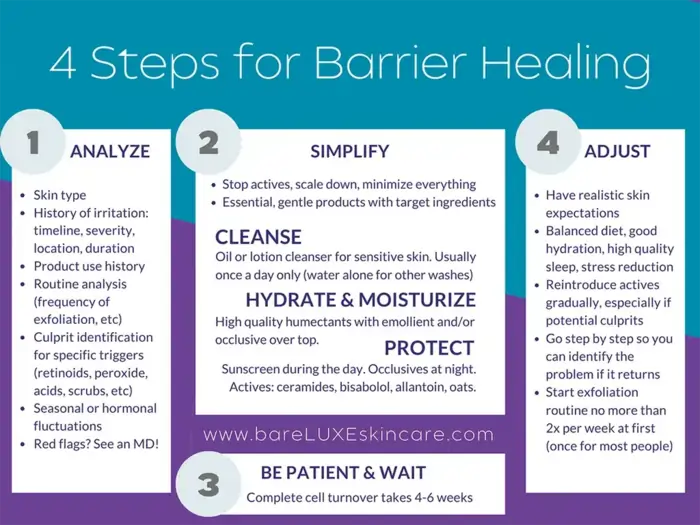
Image Source: bareLUXE Skincare
Creating an effective skincare routine is key to repairing a damaged barrier. As a skincare professional, I’ve found that consistency with the right products makes a huge difference in healing time. Let’s break down a simple but powerful routine specifically designed for compromised skin.
Gentle Cleansing
The foundation of any barrier repair starts with proper cleansing. Unfortunately, this is where many people unknowingly cause further damage. Choose a gentle, non-abrasive cleanser without alcohol and sulfates [31]. Always use lukewarm water instead of hot, which strips away essential oils your skin needs [32].
Apply your cleanser with fingertips only, avoiding washcloths or sponges that can irritate already sensitive skin [32]. Fight the urge to scrub—mechanical friction further disrupts your already compromised barrier [32]. After washing, gently pat your face dry with a soft towel.
** Pro tip:** Limit washing to once or twice daily maximum. Over-cleansing depletes natural lipids that your skin barrier desperately needs to repair itself [32]. If your skin is extremely dry or sensitive, consider skipping morning cleansing entirely and just rinsing with water to preserve natural oils [33].
Layering Hydration
After cleansing, apply hydrating products while your skin is still slightly damp—this maximizes absorption [34]. Start with light, water-based formulations containing humectants like hyaluronic acid or glycerin [35].
The order matters here. Apply products from thinnest to thickest consistency for best results [36]. This approach ensures each product can penetrate effectively without creating a barrier that blocks the next product from absorbing.
** Pro tip:** A hydrating essence or serum before your moisturizer adds an extra dimension of barrier support [35]. Look for products with multiple weights of hyaluronic acid to address both surface and deeper hydration needs simultaneously [36].
Barrier-Repair Moisturizers
Your moisturizer selection can make or break your barrier repair efforts. Look for products containing the three essential barrier lipids—ceramides, cholesterol, and fatty acids—ideally in the correct ratio [5]. Research shows these ingredients work best together in specific proportions for optimal barrier repair [5].
The pH of your products matters too. Choose formulas with a pH between 4.5 and 5.5 to maintain your skin’s natural acidity [31]. This range supports beneficial bacteria while keeping harmful microorganisms that thrive in alkaline environments at bay [5].
Daily Sun Protection
Always finish your morning routine with broad-spectrum SPF 30 or higher [37]. UV exposure not only damages your barrier but also generates harmful free radicals that cause oxidative stress [38]. Even brief, everyday sun exposure adds up to significant damage over time [37].
When selecting sunscreen, look for options specifically formulated for sensitive skin [39]. Mineral formulations with zinc oxide typically cause less irritation for compromised skin than chemical filters [37]. Some sunscreens now include barrier-supporting ingredients like niacinamide and antioxidants for additional protection.
** Pro tip:** If your skin is extremely sensitive, apply your sunscreen in two thin layers rather than one thick layer. This approach often causes less irritation while still providing adequate protection.
How long does it take to heal a damaged skin barrier?
The timeline for healing a damaged skin barrier varies widely depending on several factors. As a skincare professional, I’ve seen recovery times range from a couple of weeks to several months. Let’s break down what you can realistically expect based on how severe your barrier damage is.
Mild damage: 1-2 weeks
When barrier damage is minor—maybe from a one-time over-exfoliation or brief environmental exposure—your skin’s natural repair mechanisms can work pretty efficiently. Research shows that with proper care, symptoms of mild damage often improve within just a week or two.
Your skin actually begins repair work immediately, releasing stored lipid precursors that provide about 20% barrier recovery within the first few hours. But even with mild damage, consistency matters tremendously. Sticking with your simplified routine without introducing potential irritants lets your skin complete its natural healing cycle.
** Pro tip:** Apply moisturizer to slightly damp skin to lock in hydration and speed up the repair process. This simple technique significantly boosts the effectiveness of your barrier-supporting ingredients.
Moderate to severe damage: 4-8 weeks
More significant barrier problems need substantially more time to heal. Since the average skin cell turnover cycle takes about 30 days, you typically won’t see major improvements until at least a month into your repair routine.
For severe cases where barrier function is deeply compromised, complete healing might take up to six months with consistent care. Most moderate cases, though, show substantial improvement within 4-8 weeks as your skin gradually rebuilds its lipid matrix and restores normal function.
The repair process happens in stages, with measurable improvements in moisture retention and decreased sensitivity developing progressively over time. Patience isn’t just helpful here—it’s essential.
Factors that affect healing time
Several variables influence how quickly your individual skin barrier recovers:
- Damage severity: The deeper the disruption, the longer healing takes
- Age: Older skin typically shows slower barrier recovery compared to younger skin
- Genetics: Some people naturally repair more efficiently than others
- Underlying conditions: Skin disorders like eczema or rosacea extend healing time
- Consistency of care: Using irritating products even occasionally can reset the healing process
- Skin type: Some research suggests darker skin tones may recover more rapidly after barrier disruption
Your healing timeline depends on these interconnected factors working together. While it might be tempting to rush the process or try aggressive treatments, giving your skin the necessary time to heal completely prevents frustrating cycles of recurring damage.
How to Prevent Future Skin Barrier Damage
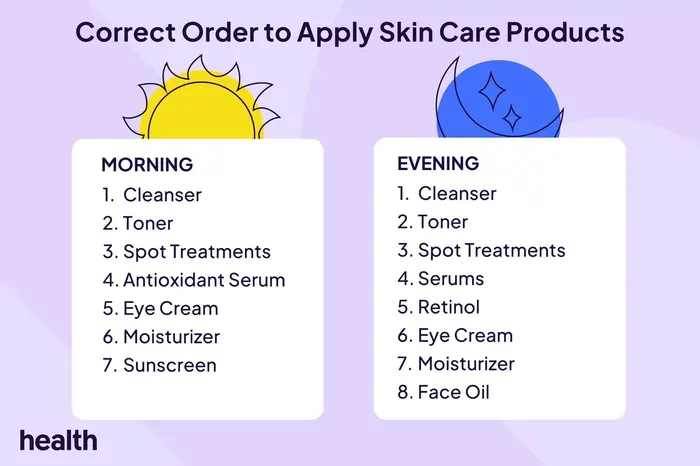
Image Source: Health
Once you’ve successfully repaired your skin barrier, preventing future damage becomes your priority. I’ve found that maintaining barrier integrity is much easier than fixing it repeatedly. Let’s look at some proven strategies to keep your skin barrier healthy long-term.
Use pH-balanced Products
Your skin naturally maintains a slightly acidic pH between 4.5 and 5.5, creating what dermatologists call the “acid mantle” [7]. This acidity is crucial for barrier function, helping to support beneficial bacteria while keeping harmful microorganisms at bay.
Choosing cleansers and products that respect this natural acidity protects your skin barrier from disruption. High-alkaline soaps (pH 10+) can increase swelling in your stratum corneum and alter lipid structure, potentially damaging your protective barrier [7].
Not all products list their pH, but those marketed as “pH-balanced” typically fall within the skin-friendly range. Generally, gentle, soap-free cleansers formulated for sensitive skin are good options [11].
** Pro tip:** If your skin feels tight or “squeaky clean” after washing, your cleanser might be too alkaline and disrupting your barrier.
Avoid Overuse of Actives
Active ingredients like retinoids, AHAs, BHAs, and vitamin C offer powerful benefits but can damage your barrier when overused. The key isn’t avoiding them entirely—it’s using them strategically rather than all at once.
“Active ingredients are the component of your skincare product that is supposed to target a specific skin care concern,” explains Northwestern Medicine Dermatologist Walter J. Liszewski, MD [45].
As someone who’s seen many clients struggle with barrier issues, I recommend spacing out your actives throughout the week. For instance, use vitamin C in the morning, retinol at night, and limit exfoliation to 1-2 times weekly [46]. This prevents the cumulative irritation that can compromise barrier function.
Protect Against Environmental Stressors
Environmental factors constantly challenge your skin barrier. UV radiation stands as the primary external aging factor, generating harmful free radicals [7]. Urban pollution—particularly particulate matter—decreases barrier function by affecting genes responsible for skin barrier proteins [7].
Since these stressors are unavoidable, your best defense is daily broad-spectrum sunscreen combined with antioxidant protection. Antioxidants like vitamins C and E help combat free radicals generated by pollution and UV exposure [47].
Physical protection matters too. In extreme weather, consider additional protection like scarves in winter or staying in the shade during peak UV hours.
Maintain a Consistent Routine
I’ve noticed that consistency proves more valuable than complexity when maintaining barrier health. Your skin adapts to products over time, and frequent changes can stress your barrier.
“Consistency is key for seeing results,” notes Dr. Joshua Zeichner [48]. Follow a regular routine and pay attention to how your skin responds, adjusting accordingly. This patient approach helps you identify which products truly benefit your skin barrier.
Maintain your core routine for at least 4-8 weeks before making significant changes [49]. This timeframe aligns with your skin’s natural renewal cycle, providing accurate feedback on how products affect your barrier health.
Remember that even small daily habits—like keeping water temperature lukewarm or applying moisturizer to damp skin—can dramatically impact barrier function over time. These simple practices often make more difference than expensive products or complicated regimens.
Conclusion
Repairing a damaged skin barrier isn’t about quick fixes—it’s about a thoughtful approach that addresses both symptoms and root causes. Throughout this guide, I’ve shared how this protective layer works, warning signs of damage, and strategies that actually help restore it [112]. The most successful repair approach? Simplification and consistency.
Your skin has impressive natural healing abilities when given the right conditions. Patience becomes essential during recovery, since complete barrier restoration might take anywhere from two weeks to several months depending on damage severity [113]. Those “overnight miracle” products rarely deliver lasting results.
Clients often ask me, “Can I wear makeup while my barrier heals?” You can, but choose mineral-based, fragrance-free formulations designed for sensitive skin [114]. These typically contain fewer irritants and might even include beneficial ingredients like ceramides or hyaluronic acid.
Another question I hear frequently concerns whether barrier damage can be permanent. Research shows that with proper care, most barrier dysfunction is reversible [115]. Your skin constantly renews itself, replacing damaged cells with healthy ones when supported by appropriate skincare.
The health of your barrier reflects your skin’s overall condition. By adopting gentle cleansing, using ceramide-rich moisturizers, protecting against environmental factors, and maintaining proper pH balance, you create an environment where your skin thrives rather than just survives [116]. These practices benefit everyone, regardless of skin type or concerns.
Remember that skincare is just one piece of barrier health. Sleep quality, hydration, stress management, and nutrition significantly impact your skin’s ability to maintain and repair its protective shield [117]. This whole-body approach delivers the most sustainable results.
Healthy barrier function means resilient, comfortable skin that ages gracefully. Though the repair process takes time and commitment, the rewards—reduced sensitivity, improved comfort, and better appearance—make it worthwhile. Your skin deserves this fundamental care, perhaps the most important investment in your skincare journey.
FAQs
What are the main signs of a damaged skin barrier?
The primary signs include persistent redness and irritation, dryness and flakiness, increased sensitivity to skincare products, and breakouts or inflammation. If you notice these symptoms, your skin barrier may be compromised.
How long does it typically take to repair a damaged skin barrier?
The healing time varies depending on the severity of the damage. Mild cases may improve in 1-2 weeks, while moderate to severe damage can take 4-8 weeks or longer. Consistency in your skincare routine is key for optimal recovery.
What ingredients are most effective for repairing the skin barrier?
Ceramides, hyaluronic acid, niacinamide, fatty acids, and panthenol are among the most effective ingredients for skin barrier repair. These components help restore the skin’s natural protective layer and improve hydration.
Can I use active ingredients while repairing my skin barrier?
It’s best to temporarily stop using active ingredients like retinoids, glycolic acid, and salicylic acid when repairing a damaged skin barrier. Focus on gentle, hydrating products until your skin heals, then gradually reintroduce actives.
How can I prevent future skin barrier damage?
To prevent future damage, use pH-balanced products, avoid overusing active ingredients, protect your skin from environmental stressors with sunscreen and antioxidants, and maintain a consistent skincare routine. Also, consider factors like diet, sleep, and stress management for overall skin health.
References
[1] – https://pubmed.ncbi.nlm.nih.gov/36745380/
[2] – https://pmc.ncbi.nlm.nih.gov/articles/PMC10706187/
[3] – https://dermnetnz.org/topics/skin-barrier-function
[4] – https://health.clevelandclinic.org/skin-barrier
[5] – https://my.clevelandclinic.org/health/diseases/17413-rashes-red-skin
[6] – https://www.webmd.com/skin-problems-and-treatments/causes-redness-skin
[7] – https://my.clevelandclinic.org/health/diseases/16940-dry-skin
[8] – https://www.healthline.com/health/skin-disorders/sensitive-skin
[9] – https://pmc.ncbi.nlm.nih.gov/articles/PMC8359429/
[10] – https://pmc.ncbi.nlm.nih.gov/articles/PMC3780801/
[11] – https://www.healthline.com/health/beauty-skin-care/over-exfoliating
[12] – https://divinedermatology.com/the-ultimate-guide-to-skin-barrier-health-why-it-matters-and-how-to-protect-it/
[13] – https://www.thepmfajournal.com/features/features/post/the-impact-of-21st-century-stressors-and-lifestyle-factors-on-skin-aging
[14] – https://pmc.ncbi.nlm.nih.gov/articles/PMC6629960/
[15] – https://www.getrael.com/blogs/r-blog/signs-of-over-exfoliation
[16] – https://pmc.ncbi.nlm.nih.gov/articles/PMC10341863/
[17] – https://pmc.ncbi.nlm.nih.gov/articles/PMC5608132/
[18] – https://pmc.ncbi.nlm.nih.gov/articles/PMC9428921/
[19] – https://pmc.ncbi.nlm.nih.gov/articles/PMC7875671/
[20] – https://www.glamourmagazine.co.uk/article/skin-barrier-damage
[21] – https://pubmed.ncbi.nlm.nih.gov/14728695/
[22] – https://www.today.com/shop/skin-barrier-damage-repair-t234313
[23] – https://www.vogue.com/article/expert-tips-on-how-to-repair-damaged-skin-barrier
[24] – https://pubmed.ncbi.nlm.nih.gov/12553851/
[25] – https://health.clevelandclinic.org/ceramides
[26] – https://www.healthline.com/health/beauty-skin-care/hyaluronic-acid
[27] – https://www.sciencedirect.com/science/article/pii/S0022202X15526675
[28] – https://pmc.ncbi.nlm.nih.gov/articles/PMC10509598/
[29] – https://www.cerave.com.au/blog/everyday-skin-care/niacinamide-benefits-for-skin
[30] – https://pmc.ncbi.nlm.nih.gov/articles/PMC2674689/
[31] – https://skintypesolutions.com/blogs/skincare/fatty-acids-in-skin-care?srsltid=AfmBOooxd5E-YgF1ySj4rVfDdpWDfHiZ2aFVvj-2Y2196S1pXEKefEQn
[32] – https://www.stratiaskin.com/blogs/ingredients/cholesterol?srsltid=AfmBOop11sxuLBp71Wn4XTRZIbBn4dRGgB3ceBQuD-R4ZPTsA3fL2Kc2
[33] – https://incidecoder.com/ingredients/cholesterol
[34] – https://www.medicalnewstoday.com/articles/panthenol
[35] – https://www.cetaphil.com/us/skincare-tips/Panthenol-for-skin-What-it-is-proven-skin-soothing-benefits.html
[36] – https://www.byrdie.com/panthenol-for-skin-the-complete-guide-4770218
[37] – https://www.healthline.com/health/skin-barrier
[38] – https://www.aad.org/public/everyday-care/skin-care-basics/care/face-washing-101
[39] – https://skintypesolutions.com/blogs/skincare/how-to-choose-a-cleanser-that-wont-strip-your-skin-barrier?srsltid=AfmBOopfNieGpwwg6Jl6KrmFUPwPJUUIa6fBpKPGn4XGZAsNJYKrJB3M
[40] – https://www.skincare.com/skin-type/dry-skin/how-to-layer-skin-care-for-maximum-hydration
[41] – https://www.dermstore.com/blog/how-to-properly-layer-your-routine-for-the-ultimate-hydration/?srsltid=AfmBOopuvdSMoyWkRIH409gi9ATdGHwj34ZW41dANB_IXI7twLbMojp-
[42] – https://theordinary.com/en-bh/blog/layering-for-skin-hydration.html
[43] – https://pmc.ncbi.nlm.nih.gov/articles/PMC6289688/
[44] – https://www.skincancer.org/skin-cancer-prevention/sun-protection/
[45] – https://my.clevelandclinic.org/health/diseases/5240-sun-damage-protecting-yourself
[46] – https://pmc.ncbi.nlm.nih.gov/articles/PMC9784273/
[47] – https://www.nm.org/healthbeat/healthy-tips/how-active-ingredients-act-on-skin
[48] – https://www.skin.software/journal/skincare-ingredients-that-dont-mix
[49] – https://www.everydayhealth.com/skin-beauty/how-shield-your-skin-from-environmental-damage/
[50] – https://www.nytimes.com/article/skincare-routine.html
[51] – https://slmdskincare.com/blogs/learn/4-reasons-why-you-need-a-consistent-skincare-routine?srsltid=AfmBOor4vqhZr1O9cckm1A5voAiljDYovkA77lhnnxyDHiiTqxMSsDbf